October 9, 2026
How to Spot the Need for Pest Control Services in Warren County
By @charliepnga060
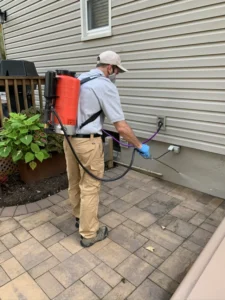
Pests rarely announce themselves in a dramatic way. More often, they show up as a faint scratching sound in a wall at night, a line of ants near the sink that seems to appear from nowhere, or a few droppings in a basement corner you do not visit every day. By the time many property owners in Warren County realize they have a real problem, the infestation has already had time to settle in.
That timing matters. A minor nuisance is one thing. A colony, nesting site, or recurring entry point is another. The difference usually comes down to how early you spot the warning signs and how quickly you decide whether the issue is something you can monitor or something that calls for professional help.
Warren County properties present a mix of pest conditions. Older homes with stone foundations, newer subdivisions with disturbed soil, rural outbuildings, wooded lots, restaurants, rental units, and commercial facilities all create different opportunities for insects and rodents. Seasonal shifts make that even more complicated. Wet springs push some pests indoors. Dry spells send others searching for moisture around plumbing and crawl spaces. Cooler temperatures drive mice and other overwintering pests inside long before the first snow arrives.
If you have been wondering whether the signs you are seeing are serious enough to justify calling for Pest Control Services Warren County residents trust, the answer usually becomes clearer when you know what to look for.
The difference between a sighting and a problem
Seeing one bug does not always mean you have an infestation. A single spider in a garage or one beetle near a window may not justify a service call by itself. Pests move. Doors open. Firewood comes in. Cardboard boxes from storage or shipping can carry more than their contents.
What matters is pattern, location, and frequency.
A lone ant in a mudroom is not the same as a steady trail of ants moving to and from a food source. One stink bug on a sunny fall windowsill is common in many parts of the county. Finding them in multiple rooms over several weeks points to a larger entry issue. One mouse caught in a snap trap may mean a stray rodent slipped inside. Droppings behind appliances, greasy rub marks on baseboards, and gnawed food packaging suggest you are dealing with an active indoor population.
Professionals tend to assess pest activity the way a good mechanic evaluates vehicle noise. The sound itself matters, but so does when it happens, how often, and what else is happening around it. Pest problems work the same way. The clues rarely come one at a time.
Why Warren County homes and businesses are vulnerable
Local conditions matter more than many people realize. A home on a wooded edge near a creek faces different pressures than a storefront in a denser village center. Properties surrounded by mulch beds, stacked firewood, bird feeders, pet food, or unmanaged brush create ideal harborage. So do sheds with gaps under doors, crawl spaces with moisture, and basements with old utility penetrations.
Agricultural areas and semi rural neighborhoods can see higher pressure from rodents because food and shelter are abundant outdoors. Historic homes may have beautiful character and equally beautiful gaps around foundations, eaves, and pipe entries. Even newer structures can develop vulnerabilities if weatherstripping wears out, grading settles toward the foundation, or attic vents are not screened properly.
The broad point is simple. Pest pressure is not a sign that a property is dirty. It is often a sign that a property is accessible. That distinction matters because it changes how you respond. Shame delays action. Observation solves problems.
The early signs people often dismiss
Most infestations begin with details that are easy to rationalize away. Homeowners tell themselves they spilled something sweet on the counter, left the garage door open too long, or heard an old house creak. Sometimes that is true. Sometimes those explanations buy pests another month.
Droppings are among the clearest signs of an active issue, especially with rodents and cockroaches. Fresh rodent droppings are usually dark and moist looking. Older ones dry out and become dull. If you clean an area and see new droppings within a day or two, you are no longer in the realm of guesswork.
Odors can also tell a story. A musty or oily smell in a pantry, wall void, or cabinet may point to roaches. Ammonia like odors can show up with heavier rodent activity. Dead pests trapped in wall spaces create a very distinct smell that often lingers longer than people expect, especially in warmer weather.
Then there are the marks pests leave behind. Termites may produce discarded wings near windows or doorways after a swarm. Carpenter ants can leave sawdust like frass below nesting areas. Rodents leave gnaw marks on food containers, wiring, or soft building materials. Bed bugs leave fecal spotting on mattress seams, bed frames, and nearby upholstered furniture. Fleas show up first as bites around ankles or pets scratching far more than usual.
One of the most overlooked clues is timing. If insect activity spikes after rain, there may be moisture issues drawing pests in. If scratching begins when nights turn cold, rodents may be moving from exterior spaces into walls or attics. If a problem seems to disappear and then return in cycles, there may be a hidden nest or breeding source that was never addressed.
When ants are more than a kitchen annoyance
Ants are one of the most common reasons people first consider calling a professional. The trouble is that ants are also one of the most misread pest issues. Many people spray the visible trail, watch it disappear for a day or two, and assume the problem is solved. Often it is not.
What matters with ants is species, nesting location, and moisture. Pavement ants, odorous house ants, carpenter ants, and field ants do not behave the same way. Some are mostly nuisance pests. Others point to water damaged wood or structural vulnerability.
Carpenter ants deserve particular attention in Warren County, especially in homes with older framing, porch columns, roof leaks, or window trim that has stayed damp over time. Unlike termites, carpenter ants do not eat wood for nutrition. They tunnel through it to nest. That still makes them destructive. If you notice large black ants indoors, especially in spring or after rain, and you find coarse sawdust like material below trim, beams, or sills, that is a strong sign the problem needs more than a store bought spray.
Small ants can be deceptively stubborn. Kitchens, bathrooms, and utility areas often provide enough water and food to support recurring indoor trails. If the same activity keeps coming back despite cleaning and sealing food, it is time to look beyond the surface and identify where colonies are entering or nesting.
Rodent signs that deserve immediate attention
Mice and rats create a different kind of urgency because they contaminate food, damage insulation, and can chew wiring. Many homeowners wait too long because they only hear occasional noises. By the time rodents are visible in daylight, the population is often affordablepestnj.com Pest Control Services Warren County well established.
The earliest signs are usually subtle. A few pellets in the back of a drawer. Shredded paper in a basement storage area. A pet suddenly fixated on one section of wall. Soft scratching in a ceiling just before dawn. Those clues matter because rodents reproduce quickly and exploit very small openings. A mouse can fit through a gap that many people would dismiss as insignificant.
Attics, garages, basements, and utility rooms are common starting points. So are pantries, especially in colder months. If you are seeing droppings in more than one area, finding gnawing on dry goods, or hearing movement several nights a week, you are no longer dealing with a one off intruder.
A property owner once described a mouse issue as “just a seasonal thing” because it happened every fall. That phrase tells you everything. If it happens every fall, it is not random. It is a predictable access pattern, and predictable patterns are exactly what Pest Control Services Warren County professionals are equipped to diagnose.
Termites, carpenter ants, and wood damage pests
Structural pests ask for a different level of seriousness because damage accumulates quietly. In many cases, the visible signs appear well after the insects have been active.
Termites are less likely to be seen directly than their evidence. In spring, reproductive termites may swarm near windows or doors. People often mistake them for flying ants. Mud tubes along foundation walls, support posts, or basement surfaces are another red flag, particularly with subterranean termites. Soft or blistered wood, sagging trim, or paint that appears bubbled without a moisture explanation can also point to hidden activity.
Carpenter bees do not usually threaten a whole structure the way termites can, but repeated boring into eaves, trim, decks, and railings adds up. Their perfectly round entrance holes are easy to spot once you know to look for them. Woodpecker damage nearby can be a secondary clue because birds often target the larvae inside.
The challenge with all wood destroying pests is that cosmetic patching or surface treatment rarely addresses the source. If you see recurring signs in the same area, particularly around moist wood, crawl spaces, or aging exterior trim, an inspection is the prudent move.
Roaches are almost never a wait and see issue
Cockroaches carry a unique stigma, which is unfortunate because embarrassment keeps people quiet when they should be acting fast. Roaches are not limited to neglected spaces. They show up anywhere food, water, shelter, and access line up. Apartment buildings, restaurants, break rooms, basements, and even very clean homes can have issues if neighboring units, drains, leaks, or deliveries introduce them.
The reason roaches demand attention is simple. They multiply efficiently, hide exceptionally well, and can trigger allergy and asthma issues, especially in children. A daytime sighting is particularly concerning because roaches prefer darkness. If they are visible in the open during the day, harborage may already be crowded.
You might notice pepper like droppings in cabinets, smear marks along corners, egg cases near appliances, or a stale oily smell in enclosed spaces. If that description matches what you are seeing, delaying treatment almost always makes the job harder.
Seasonal pest patterns that catch people off guard
Every season has its own pest behavior, and homeowners who understand that rhythm usually catch problems earlier.
Spring often brings ant trails, termite swarms, cluster fly activity, and the first signs of wasp nest building around soffits and porches. Moisture issues from thaw and rain can make basement and crawl space problems more obvious.
Summer increases pressure from stinging insects, flies, mosquitoes, and occasional invaders around doors and windows. It is also when outdoor food sources, trash handling, and standing water become more important. A clogged gutter or birdbath can do more than many people think.
Fall is rodent season in a very practical sense. Mice, rats, stink bugs, boxelder bugs, and lady beetles all begin looking for overwintering shelter. By the time freezing temperatures arrive, the route inside may have been established for weeks.
Winter does not mean pests disappear. It often means they become easier to hear and harder to notice visually. Rodents stay active indoors. Roaches continue to breed in warm interior environments. Bed bug issues, which are not seasonal in the same way, often become more noticeable during holiday travel and guest traffic.
Businesses usually see the cost of waiting faster than homeowners
Residential pest problems are stressful. Commercial pest problems can become expensive very quickly. Restaurants, food processors, offices, warehouses, property management groups, and healthcare related facilities have less margin for delay because pests affect customer trust, employee comfort, inventory integrity, and in some cases regulatory compliance.
A single rodent sighting in a break room may not shut down operations, but repeated droppings near stored product, fruit flies around drains, or cockroach evidence in a kitchen area can escalate fast. Multi unit buildings are especially tricky because a tenant may report activity in one space while the real source sits behind a neighboring wall or shared plumbing chase.
For commercial properties, the decision to contact Pest Control Services Warren County providers should happen at the first credible sign of recurring activity, not after complaints multiply. In professional settings, the real cost is not only the treatment. It is disruption, lost time, and reputation.
What you can reasonably check before you call
A calm inspection can tell you a lot. Look under sinks, behind appliances, along foundation walls, around attic access points, inside utility areas, and near stored food or pet food. Check for gaps around pipes, torn screens, deteriorated door sweeps, and moisture buildup. Pay attention to where you are finding evidence rather than focusing only on what species you think it is.
You do not need to become your own exterminator to gather useful information. A technician will want to know where activity started, whether it changes with weather, what rooms are affected, and whether you have already tried any products. That context saves time and often improves the treatment plan.
Photos help. So does resisting the urge to deep clean every sign away before someone can inspect it. Sanitation matters, but a fully erased trail can remove useful evidence. If you can safely leave one or two undisturbed indicators, such as droppings in a hidden utility corner or frass below a suspected wood pest site, that can make identification easier.
When do it yourself stops being cost effective
There is nothing wrong with handling a very small, isolated pest issue yourself. A wasp nest the size of a golf ball under a fence rail is not the same as nest building under the roofline near an entry door. One ant trail after a picnic may clear up with cleaning and time. Not every problem requires a contract.
But there are clear points where do it yourself efforts start to waste money. Recurrence is one. If the same pest returns after repeated sprays, traps, or bait stations, the underlying source has not been solved. Hidden nesting is another. Wall voids, attic insulation, crawl spaces, and slab edges are not places where guesswork works well. Safety is a third factor. Misapplied pesticides, ladder work near stinging insects, and rodent cleanup without proper precautions can create unnecessary risk.
People often underestimate the value of proper identification. Treating carpenter ants like standard nuisance ants, or mistaking termite swarmers for harmless flying insects, can cost far more than the service call you were trying to avoid.
Signs that it is time to call a professional now
If any of these situations sound familiar, you are past the “keep an eye on it” phase:
- You are finding fresh droppings, new insect activity, or new damage within days of cleaning or treatment.
- You hear scratching, movement, or buzzing inside walls, ceilings, or attic spaces more than once.
- You see signs of wood damage, swarmers, mud tubes, or frass around structural elements.
- The problem involves a food business, rental property, childcare setting, or any space where health and reputation risks are high.
- You have tried store bought products and the issue keeps returning, spreading, or becoming harder to locate.
That short list covers the vast majority of situations where professional intervention pays for itself in time, containment, and peace of mind.
What good pest control service looks like
Not all service approaches are equal. Good pest control is not just about applying product. It is about inspection, identification, exclusion, monitoring, and follow through. A strong technician should be able to explain what they believe is happening, why the pest is present, how it is getting in, and what the realistic next steps are.
That may include sealing entry points, adjusting sanitation or storage practices, reducing moisture, modifying landscaping near the structure, or scheduling follow up visits. For some pests, one treatment may be enough. For others, especially roaches, bed bugs, rodents, or commercial accounts, successful control often depends on a staged plan rather than a single visit.
A professional should also set expectations honestly. If conditions around the property continue to attract pests, chemical treatment alone will not carry the whole burden. The best outcomes usually come from a mix of treatment and correction.
Paying attention early saves more than money
Most pest problems grow quietly. They spread behind walls, under floors, in voids, insulation, and stored materials. That is why early action matters. It is not only about avoiding a larger bill. It is about protecting the parts of a property you cannot easily see, and limiting the disruption that comes once pests are firmly established.
For Warren County homeowners and business operators, the smartest move is usually the least dramatic one. Notice the pattern. Take the signs seriously. If evidence is recurring, expanding, or tied to structural risk, health concerns, or contamination, get an expert involved before the issue gets to choose the timeline for you.
That is really the heart of it. Pests are easiest to manage when they are still telling on themselves in small ways. The skill is learning to listen before those small ways become major repairs, sleepless nights, or an avoidable emergency call.
Affordable Pest Solutions LLC
Budd Lake, NJ 07828 (service-area business)
Serving Warren, Morris and Sussex Counties, New Jersey
Phone: +1 973-229-9547
FAQ About Pest Control Services Warren County
How much does pest control cost in NJ?
The cost depends on the pest, the size of the property, the extent of activity and whether follow-up visits are needed. Ask for an inspection and a written estimate that explains the treatment scope and any ongoing service charges. Affordable Pest Solutions offers free estimates for properties in its service area.
What are the most common household bugs in New Jersey?
Ants, cockroaches, stink bugs and spiders are among the pests that residents may encounter in New Jersey homes. Activity varies by season, moisture conditions and available entry points. Correct identification helps determine whether exclusion, sanitation, monitoring or professional treatment is appropriate.
What kind of bugs infest homes?
Ants, cockroaches and termites can establish persistent activity in or around homes. The signs and appropriate response differ by pest: trails, droppings, shed wings or damaged wood may warrant closer inspection. A pest professional can identify the cause and recommend a plan suited to the property.
❧