November 6, 2026
How Weather Affects Pest Control Services in Sussex County
By @charliepnga060

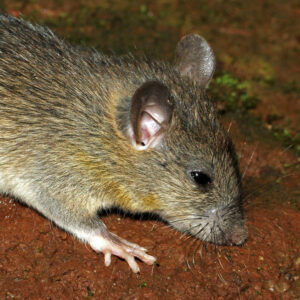
Weather does not just influence whether pests show up. It changes where they hide, how fast they reproduce, how they enter buildings, and whether a treatment performs the way it should. In Sussex County, that relationship is especially noticeable because local conditions can shift quickly between humid summer stretches, soaking coastal storms, mild autumns, and cold snaps that push pests indoors. Anyone scheduling Pest Control Services Sussex County can benefit from understanding that timing matters almost as much as the treatment itself.
A homeowner usually notices the problem at the obvious moment. Ants appear in the kitchen after a week of rain. Wasps start circling the eaves during a hot spell. Mice show up when the first cold nights arrive. What is less obvious is that the pest pressure often started weeks earlier, shaped by soil moisture, temperature swings, and the amount of shelter available outside. Good pest control work accounts for that lead time. It is not just about reacting to what is visible today. It is about reading the conditions that made the activity possible.
In practice, weather affects pest control in two ways at once. First, it influences pest behavior. Second, it influences treatment strategy. A technician may use the same broad category of products or exclusion methods year round, but the placement, timing, and follow-up can change significantly depending on what the weather has been doing.
Sussex County creates its own pest patterns
Sussex County has a mix of environments that make pest activity highly variable from one neighborhood to the next. Coastal communities often deal with persistent humidity, sandy soils, and wind-driven weather. Inland properties may hold more moisture after heavy rain, especially where yards back up to woods, drainage ditches, or agricultural land. Older homes can have settled foundations and small gaps that become entry points during seasonal transitions. Newer homes may be tighter, but they are not immune, particularly when mulch beds, irrigation, and dense landscaping create ideal conditions near the structure.
That local variation matters because pest pressure is rarely uniform. Two homes on the same road can have different issues simply because one has poor drainage and the other has a dry crawlspace. A warm winter may extend activity for spiders and occasional invaders. A wet spring can drive ant colonies to higher ground. A dry summer can send insects searching for water inside bathrooms, kitchens, and utility areas. Experienced technicians pay attention to those small differences because weather is never acting alone. It interacts with the property.
Rain changes more than people expect
Heavy rain is one of the biggest triggers for sudden pest complaints. Homeowners often assume rain washes pests away. Sometimes it does reduce visible surface activity for a day or two, but more often it displaces pests into protected spaces. Saturated soil can flood nests and burrows, pushing ants, earwigs, crickets, and other crawling insects toward foundations, garages, and door thresholds. Rodents may also shift routes when low areas flood or vegetation becomes too wet.
Rain also affects treatment performance. Exterior applications need time to bond, dry, or remain undisturbed. That does not mean pest control stops during wet periods. It means strategy shifts. A smart service visit during a rainy stretch might place more emphasis on sheltered entry points, cracks, crawlspace concerns, sanitation recommendations, and monitoring rather than relying only on broad exterior coverage. If a storm system is expected within hours, a technician may recommend adjusting the schedule so the service has a better chance to hold.
There is also a delayed effect. After several rainy weeks, insect pressure can rise because moisture supports survival. Damp conditions around mulch, leaf litter, and shaded foundations create good habitat for many pests. Mosquito breeding becomes more likely when containers, clogged gutters, tarps, and yard equipment collect water. Termite swarm timing can also line up with warm, damp conditions, especially after spring rains. That does not mean every rainy week produces the same pests, but it does mean moisture should never be ignored during an inspection.
I have seen plenty of properties where the homeowner focused on the insects inside and missed the real driver outside. One example that comes up often is a back patio where water drains toward the slab instead of away from it. After a storm, the edge stays wet for a day or two longer than the rest of the yard. That one damp zone can support recurring ant and occasional roach activity, no matter how tidy the home is inside. Fixing the drainage often does more for long-term control than repeating the same treatment without addressing the cause.
Heat accelerates life cycles and exposes weak points
Hot weather speeds things up. Insects develop faster, forage more aggressively, and exploit tiny access points that stay unnoticed during cooler months. Summer in Sussex County can create ideal conditions for ants, stinging insects, mosquitoes, and a long list of occasional invaders. High temperatures also increase the importance of water sources. A dripping outdoor spigot, condensation line, pet bowl, or poorly ventilated crawlspace can become a dependable attractant during dry spells.
Ant problems often surge in heat, particularly when colonies expand and scouting increases. What starts as a few workers near a sink can turn into steady trails within days if food and moisture are available. The temptation for many homeowners is to spray the visible line immediately with a store product. Sometimes that kills the foragers, but it can also scatter activity and make the colony harder to track. In hot weather, control tends to work better when the source is identified and treatment is selected with that colony behavior in mind.
Wasps and hornets also become more noticeable during warm months. Early in the season, nests may be small and easy to overlook. By mid to late summer, activity around eaves, soffits, sheds, playsets, and deck areas can increase sharply. Heat does not create nests by itself, but sustained warm conditions allow colonies to grow quickly. This is one reason seasonal inspections matter. A nest dealt with in June is usually simpler than a mature nest handled in August.
High heat can affect products too. Certain formulations hold up differently depending on surface temperature, sunlight exposure, and rainfall timing. Technicians familiar with local summer conditions often choose placement carefully, favoring shaded areas, protected voids, or non-chemical corrections when they know a full-sun surface will not be the best place for a long-lasting result.
Dry weather pushes pests indoors in a different way
People often associate pest invasions with wet weather, but drought or prolonged dry periods create their own problems. When the landscape dries out, many pests search for moisture inside structures. This is when kitchens, bathrooms, utility rooms, and basements can become hotspots, even in otherwise clean homes. The issue is not always food. It is often water.
Spiders may move in where prey insects are gathering. Crickets and other occasional invaders seek cooler, less exposed spaces. Some ant species become more persistent indoors during dry conditions because water is scarce outside. If the property has irrigation, the contrast can make things even more interesting. The only green, damp zones may be right next to the house, which means insect activity concentrates near the foundation rather than dispersing into the yard.
Dry weather also reveals structural vulnerabilities. Soil can pull away from parts of the foundation, exposing tiny gaps around utility penetrations or slab edges. Door sweeps that looked adequate in spring may show visible light by late summer. These are small details, but they matter. Exclusion often becomes more important than treatment volume during these stretches.
Humidity supports hidden problems
Humidity is easy to underestimate because it is less dramatic than a storm or a freeze, but it is one of the most persistent pest drivers in coastal and near-coastal settings. When crawlspaces, attics, garages, and wall voids stay humid, pests gain a survival advantage. Silverfish, springtails, spiders, and some wood-destroying organisms all benefit from damp, sheltered conditions. Even when the outdoor temperature is moderate, persistent humidity can support activity around the home.
This is especially relevant in Sussex County properties with crawlspaces or limited ventilation. Homeowners sometimes call because they are seeing small insects around windowsills or bathroom floors, but the larger story turns out to be chronic moisture under the house. A vapor barrier issue, poor venting, plumbing condensation, or standing water in a low crawlspace can support ongoing pest pressure. In those cases, pest control works best when moisture control is treated as part of the service plan, not as a separate concern to be dealt with later.
Humidity also affects storage areas. Cardboard in garages, stacked paper goods, and cluttered closets provide protected harborage when the air stays damp. A technician can treat visible activity, but long-term results improve when the environment becomes less favorable.
Cold snaps send pests looking for stability
Not every pest dies off when temperatures drop. In Sussex County, cold weather often shifts activity rather than ending it. Rodents are the clearest example. Mice and rats seek warmth, food, and protection once nights turn cold, and they can enter through openings much smaller than most people expect. A mild fall followed by a sudden cold snap often produces a noticeable jump in calls because outdoor food and shelter disappear quickly.
The challenge with winter pest issues is that homeowners may not notice them right away. A mouse problem often starts in a crawlspace, garage, attic, or utility area before signs appear in kitchens or living spaces. By the time droppings show up near food, the animals may have been active for weeks. Weather is a major reason. As outdoor conditions become less stable, indoor shelter becomes more valuable.
Cold weather can also reveal gaps in exclusion work. Vinyl siding contracts, weatherstripping stiffens, and garage doors may not seal evenly against the slab. On windy winter days, pests can follow air leaks the same way drafts do. A technician who pays attention to those pressure points can often prevent a small issue from becoming a bigger infestation.
Even insect activity continues in quieter ways. Cockroaches, pantry pests, and overwintering invaders do not need summer heat once they are established indoors. Heating systems, appliances, and wall voids create their own microclimate. That is why winter service can still be worthwhile. The target simply changes.
Wind, storms, and coastal exposure complicate service timing
Wind does not get the same attention as rain and heat, but it shapes pest pressure and treatment logistics more than many people realize. Strong winds can dislodge tree limbs, disturb nesting sites, and push flying insects toward sheltered portions of a building. After a storm, damaged soffits, loose screens, and shifted vents can open new access points. Rodents and wildlife use those openings quickly, sometimes before the homeowner notices exterior damage.
Coastal storms add another layer. When weather systems bring intense rain, standing water, debris, and sudden temperature changes, pest behavior can become erratic for several days. Mosquito pressure may rise soon after, especially where water collects in hidden places such as boat covers, planters, wheelbarrows, and low spots in the yard. Ant and roach activity may also spike indoors as wet outdoor harborage becomes temporarily unusable.
From a service standpoint, severe weather may require rescheduling, not because the work is unimportant, but because the conditions are wrong for good results. There is a practical difference between applying treatment because the calendar says it is time and applying treatment when it has the best chance to perform. Good providers explain that distinction clearly.
Seasonal timing often matters more than people expect
One of the biggest misconceptions about pest control is that it is a single event. Weather is the reason that idea often falls apart. Many pests are best addressed before peak activity is visible. Once a colony grows, a nest matures, or rodents establish repeated entry routes, the work usually becomes more involved.
Spring is often the season for prevention, especially after a mild winter. Summer is the season when active pressure becomes obvious. Fall is the window when exclusion and rodent prevention matter most. Winter is when hidden indoor activity gets found and corrected. Those patterns are not rigid, because weather can shift the schedule by several weeks, but they hold up often enough to guide planning.
For homeowners seeking Pest Control Services Sussex County, this is where routine service earns its value. Scheduled visits allow adjustments based on current conditions rather than waiting for a major flare-up. A wet spring may call for one strategy. A dry, hot August may call for another. The point is not to apply more product. The point is to respond intelligently to what the season is doing.
What homeowners can do when weather changes pest pressure
Professional service works best when the property supports it. Small maintenance choices have an outsized effect, especially during weather extremes. The homes that stay ahead of pest problems are not always the newest or the most expensive. They are usually the ones where moisture, access, and clutter are managed consistently.
Here are a few measures that make a real difference when weather starts driving pests toward the house:
- Keep gutters clear and make sure downspouts move water away from the foundation.
- Trim vegetation so branches and dense shrubs do not create sheltered contact with the structure.
- Check door sweeps, screen frames, and utility penetrations at the start of each season.
- Reduce standing water in containers, toys, covers, and low areas after rain.
- Watch for indoor moisture sources such as leaks, condensation, and damp storage zones.
None of these steps replace treatment when there is an active problem. They do reduce the conditions that make the problem harder to solve.
Why inspection quality matters in changing weather
When weather has been unusual, whether that means a very wet month, an early warm spell, or an extended dry period, inspection quality becomes more important than the treatment itself. A rushed visit can miss the pattern. A careful visit asks different questions. Has the pest activity changed after rain? Are the sightings near plumbing, windows, or baseboards? Did the problem begin when temperatures dropped? Has anything changed outside, such as grading, mulch depth, or stored materials?
Those details help separate look-alike problems. For example, ants entering after rain require a different plan than ants entering during drought. Both involve ants indoors, but the cause and pressure point are not the same. The same is true for occasional invaders versus a breeding population inside the home. Weather gives clues, and those clues matter.
A good technician also knows when not to oversell certainty. Pest behavior has patterns, but properties vary. Two nearby homes can respond differently to the same weather because one has a damp crawlspace, one has pet food left in a garage, or one backs onto unmanaged brush. Sound service is specific, not generic.
Choosing service that fits local conditions
Not all pest programs are built with Sussex County conditions in mind. The most useful service is usually the one that combines treatment with local judgment. That means asking how the provider handles rainy weeks, whether they adjust for coastal humidity, how they approach rodent exclusion before winter, and what they recommend when the issue is being driven by moisture rather than sanitation.
A homeowner should expect practical answers, not vague promises. If weather has delayed an exterior application, the provider should be able to explain what will be done in the meantime. If recurring pest activity is tied to drainage or structural gaps, that should be part of the conversation. The best results usually come from a partnership where service is adapted, not copied and pasted from season to season.
That is especially true for Pest Control Services Sussex County because the local mix of humidity, storms, wooded lots, beach-adjacent properties, and seasonal population shifts creates real variability. The calendar matters, but the weather of the last ten days can matter just as much.
The real takeaway from weather-driven pest control
Pests respond to pressure, and weather creates pressure constantly. Too much rain floods nesting areas. Too little rain drives insects toward indoor water. Heat speeds reproduction. Humidity supports survival. Cold forces rodents into structures. Wind and storms expose new openings. Once you see pest control through that lens, a lot of Pest Control Services Sussex County Affordable Pest Solutions LLC common problems make more sense.
It also clarifies why timing, inspection, and local experience matter. Effective pest control in Sussex County is not just about choosing a product or setting a service date. It is about reading the environment, understanding what the pests are doing because of it, and adjusting the plan before a minor issue turns into a persistent one. When weather shifts, pest behavior shifts with it. The service should too.
Affordable Pest Solutions LLC
Based in Budd Lake, New Jersey 07828
Service area: Sussex County, Morris County, and Warren County, New Jersey
+1 973-229-9547
FAQ About Pest Control Services Sussex County
What is included in a pest control service in NJ?
A visit generally starts with an inspection to identify the pest and assess activity, access points, and contributing conditions. The proposed service may include treatment, monitoring, exclusion recommendations, and follow-up. Ask which pests and areas are covered by the written quote.
How much does a pest controller charge in NJ?
Pricing depends on the pest, property size, severity of activity, and work required. A single treatment and an ongoing plan can have different costs and coverage. Request an inspection-based estimate that explains the included work, follow-up fees, and warranty terms.
How to prepare my home for pest control?
Ask for instructions specific to the planned service. The technician may need access to inspection areas and may ask you to move belongings or protect food and dishes. Mention pets, aquariums, and any household concerns beforehand. Follow the product label and the technician's instructions about leaving and re-entering treated areas.
❧