November 6, 2026
Pest Control Services Sussex County for Peace of Mind During Every Season
By @charliepnga060
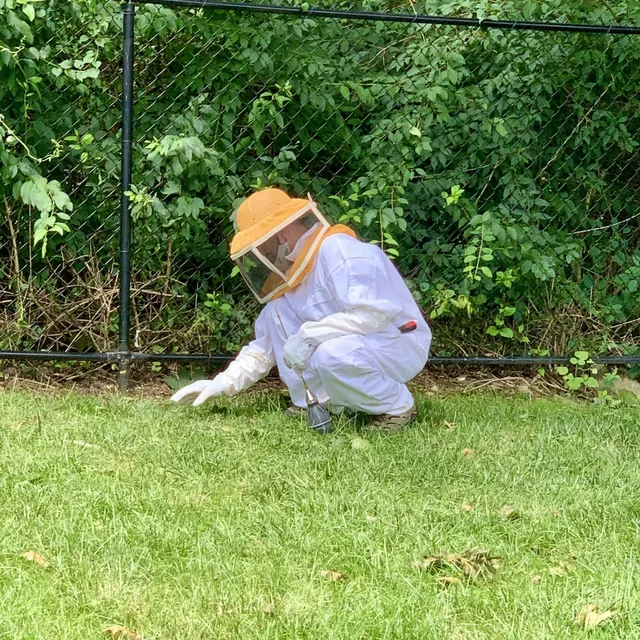
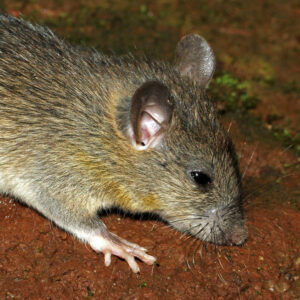
If you live in Sussex County, you already know that pest pressure does not arrive on a tidy schedule. It shifts with the weather, the age of the home, the amount of moisture around the foundation, and how close you are to woods, fields, water, or neighboring properties with their own unresolved issues. A mild winter can leave insects active longer than expected. A wet spring can push ants and moisture-loving pests indoors. Late summer often brings stinging insects, while the first cold nights of fall send mice looking for warmth, food, and shelter.
That is why reliable Pest Control Services Sussex County homeowners trust are not just about reacting to a problem after it gets bad. They are about reducing risk before pests settle in, recognizing the seasonal patterns that repeat year after year, and making smart adjustments when one season behaves differently than the last. The best results usually come from a steady plan, not a single treatment done in frustration on a Saturday morning.
People often think of pest control as a one-time fix, usually after finding a line of ants in the kitchen or hearing scratching in the attic. In practice, the work is more nuanced. A good service looks at entry points, moisture conditions, sanitation habits, landscaping, storage practices, and what kind of pest pressure is typical in the immediate area. The treatment matters, but the inspection and judgment behind it matter just as much.
Why seasonality changes everything
Pest activity follows biology, and biology follows conditions. Sussex County properties can experience a broad mix of environments, sometimes on the same block. One home may back up to a wooded lot, another to open grass, another to marshy ground, and each of those settings attracts different pest pressures. Even houses built in the same year can have very different outcomes based on grading, crawlspace conditions, gutter performance, and how tightly doors and utility lines are sealed.
A common mistake is assuming the absence of visible pests means no risk is present. Many infestations begin quietly. Termites work behind walls or below grade. Rodents can establish travel routes in garages, attics, and basements before anyone notices droppings. German cockroaches often stay close to appliances and hidden voids until their numbers increase enough to become obvious. Wasps may start with a small nest tucked under a soffit and become a serious hazard by midseason.
A homeowner once described it perfectly after dealing with recurring ant issues in late spring. She said the ants seemed to appear out of nowhere overnight. They had not. They had been building pressure outside for weeks, following moisture, exploiting a tiny gap near a utility penetration, and then finding a dependable food source in a pantry corner. What felt sudden was actually the final stage of a process that had been underway for some time.
That is where experienced Pest Control Services Sussex County providers earn their value. They know what to look for before the obvious signs show up, and they understand when a problem is likely to escalate if left alone.
Spring, when small problems become visible
Spring creates the illusion of a fresh start, but in pest control it often means dormant or hidden activity becomes easier to spot. As temperatures rise, ants become more active, overwintering insects emerge, and termites begin swarming when conditions line up. Moisture is often the deciding factor. Heavy rain, poor drainage, or clogged gutters can create favorable conditions around foundations and crawlspaces, and those conditions attract more than one kind of pest.
Ants are one of the most common spring complaints. The challenge is that homeowners often treat the visible trail without addressing the nesting site or the conditions drawing ants inside. Surface sprays may kill what is seen that day, but if the colony remains protected and the entry route remains open, the problem usually returns. The species matters too. Odorous house ants, pavement ants, and carpenter ants do not all behave the same way, and carpenter ants raise an entirely different concern because they target damp or decaying wood.
Spring is also the season when termite anxiety spikes, and reasonably so. Swarmers around windows or discarded wings on a sill can alarm any homeowner. Not every winged insect is a termite, and not every sighting means active structural damage, but this is not an area for guesswork. A trained inspection can distinguish termite evidence from ant swarmers and determine whether there are signs of current activity, conducive conditions, or Pest Control Services Sussex County old damage that needs further evaluation.
For many Sussex County homes, spring inspections are worth their weight in peace of mind. Catching moisture issues early, sealing vulnerable openings, and establishing perimeter protection before populations peak can save a great deal of hassle once summer arrives.
Summer pressure builds faster than most people expect
Summer tends to be the season when pest activity becomes impossible to ignore. Warmer temperatures accelerate insect life cycles. Outdoor dining, pet feeding areas, open doors, and increased foot traffic all create opportunities. At the same time, yards are in full use, so yellow jackets, wasps, mosquitoes, and biting pests become more than a nuisance. They interfere with how people actually live on their property.
Mosquito management is one of the most misunderstood categories. People often want a property to be entirely mosquito-free, but no honest professional can promise that in an open environment. What good service can do is reduce breeding opportunities, target resting areas, and bring populations down enough that the yard becomes much more usable. That may involve identifying standing water in plant trays, clogged drains, hidden depressions, or shaded damp zones where adults rest during the day. Success depends on both treatment and site correction.
Stinging insects deserve a measured response. A small paper wasp nest under an eave is one thing. A concealed yellow jacket nest in the ground near a walkway is another entirely. By late summer, these colonies can become aggressive when disturbed, and homeowners trying to handle them alone often make the situation worse. Professionals assess species, nest location, traffic pattern, and whether the safest solution Pest Control Services Sussex County is immediate treatment or a carefully timed removal.
Cockroaches also thrive in summer conditions, especially where moisture, food residues, and clutter intersect. In multi-unit settings, restaurants, and older homes, control can require persistence and coordination. Anyone promising a universal one-visit cure without discussing sanitation, follow-up, and adjacent activity should be viewed with caution.
Fall is rodent season, every year
If summer is when many insects peak, fall is when rodents start testing buildings. As nights cool down, mice and rats shift from exploratory movement to more determined shelter-seeking behavior. The frustrating part is how little space they need. Gaps around garage doors, utility lines, roof intersections, damaged vents, and worn weatherstripping can all become entry points.
This is also the season when people notice the limits of bait-only strategies. Bait can be part of a rodent program, but exclusion is what changes the long-term outcome. If openings remain, new rodents can replace the ones removed. A house may seem quiet for a week or two, then activity starts again because the route was never closed.
A thorough rodent service usually combines inspection, trapping or targeted control, exclusion recommendations, and follow-up. In practice, the inspection often reveals a wider pattern. Firewood stacked too close to the house, dense shrubs touching the siding, bird seed stored in a leaky container, pet food left in the garage, or cluttered storage that gives rodents cover. These details sound minor until you see how predictably they contribute to recurring activity.
One practical reality many homeowners appreciate hearing is that rodents are not always a sign of poor housekeeping. Clean homes get mice too. Warmth, shelter, and access matter as much as crumbs. Good sanitation helps, but even well-maintained properties need structural defenses.
Winter is quieter, but not inactive
Winter creates a false sense of security because outdoor insect pressure drops. Indoors, however, pest issues can persist or become easier to hear and notice. Rodents remain active. Cockroaches in heated buildings continue breeding. Spiders may be more visible in quiet corners. Stored product pests can turn up in pantries. In some homes, overwintering invaders such as stink bugs or cluster flies reveal themselves on warmer sunny days.
This is often the best time to tackle structural corrections because technicians can inspect with less interference from heavy vegetation and active summer growth. Winter service visits also give homeowners a chance to review what happened during the year and prepare a better plan before spring restarts the cycle.
There is another advantage to winter maintenance that people underestimate. It lowers the odds of starting the next season from behind. If rodent entry points are sealed, moisture issues are addressed, and sanitation or storage problems are corrected during the winter, spring pressure is easier to manage.
What a well-run pest control program actually looks like
The strongest pest control programs do not rely on one product or one generic method. They combine observation, selective treatment, exclusion, and monitoring. A technician with good field judgment pays attention to the way the building sits on the lot, where water collects after rain, whether mulch is piled too high against siding, how crawlspace vents are performing, and whether there are signs of neighboring pest activity that could spill over.
That kind of judgment matters because treatment choices involve trade-offs. Broad applications may give fast knockdown but may not be necessary everywhere. Minimal treatment may be appropriate in some low-pressure situations, but under-treating a true infestation can waste time and allow it to spread. Exterior-focused service can work well for many general pest issues, but interior work is still important when pests are already established indoors. There is no serious professional standard that says one single approach fits every property all year.
An experienced provider also communicates clearly about expectations. Some issues improve dramatically after one service. Others take time. German cockroach work often requires repeated visits and cooperation from occupants. Rodent exclusion may involve repairs beyond the scope of basic service. Mosquito reduction is maintenance-driven, especially in wet periods. Honest communication prevents disappointment and helps clients make informed decisions.
Warning signs homeowners should not ignore
There are patterns that deserve prompt attention, especially when they repeat or intensify. If you notice any of the following, it is usually time to schedule a professional inspection rather than keep experimenting with retail products:
- Recurring ant trails in the same rooms, especially after cleaning and spot treatment.
- Droppings, gnaw marks, or scratching sounds in walls, ceilings, attics, or garages.
- Wings, mud tubes, or unexplained soft wood near foundations, sills, or crawlspaces.
- Wasp or yellow jacket traffic concentrated in one spot around eaves, sheds, or the ground.
- Roach sightings during the day, which often suggest a larger hidden population.
That list is short, but each item tends to point to an established pattern, not a random stray pest.
The difference between a quick fix and real peace of mind
A lot of homeowners have had the experience of buying a spray, seeing temporary relief, and then feeling blindsided when the issue returns. The problem is not that every store-bought product is useless. Some are perfectly reasonable for small, isolated issues. The problem is that they are often used without a diagnosis. If you do not know where pests are nesting, how they are entering, or what conditions are keeping them comfortable, you are treating symptoms.
Peace of mind comes from knowing the property has been evaluated as a whole. It comes from hearing a technician explain not just what they are applying, but why this particular pest is active right now, what changes would reduce future pressure, and how quickly you should expect improvement. Good service has a calming effect because it replaces guesswork with a plan.
That plan is especially valuable for families with children, pets, older relatives, or anyone sensitive to disruption. Pest issues are rarely just technical. They are stressful. A wasp problem can make people avoid a porch they used all summer. Mice in the walls can disrupt sleep. Roaches in a kitchen can create embarrassment and frustration. Effective pest control restores normal use of the home, and that is a more meaningful benefit than people sometimes realize until they lose it.
Choosing among Pest Control Services Sussex County residents can trust
Homeowners comparing providers often focus first on price, which is understandable, but the cheapest service is not always the least expensive in the long run. If poor inspection, incomplete treatment, or weak follow-up allows a problem to continue for months, the real cost rises quickly. Time, repeated frustration, damaged materials, and avoidable repairs all add up.
A better comparison looks at consistency, communication, and scope. Does the company explain what it found in plain language? Does it tailor service to the property and season, or does every house get the same script? Are exclusion and prevention discussed, or only chemical treatment? Is there a sensible follow-up process when pests persist? These questions reveal far more than a promotional discount ever will.
The best companies also respect practical realities. Not every client wants the same service frequency. A waterfront property with heavy mosquito pressure may need a different schedule than a newer inland home with a strong building envelope. A restaurant or rental unit requires a different level of monitoring than a lightly used vacation property. Pest control is most effective when the plan matches the risk.
Here are a few useful questions to ask before signing up for service:
- What pests are most common on properties like mine during this season?
- Will you inspect for entry points, moisture issues, and conducive conditions, not just treat visible pests?
- How do you handle follow-up if the issue is not resolved after the first visit?
- What prep or maintenance steps should I take to improve results?
- Are there any limitations I should understand based on my property type or surrounding conditions?
A company that answers these calmly and specifically is usually easier to work with over time.
Prevention habits that make professional service more effective
Professional treatment works best when homeowners support it with a few consistent habits. This does not mean turning your life into a maintenance project. It means paying attention to the conditions pests exploit again and again. Moisture control is one of the biggest. Leaky hose bibs, damp crawlspaces, overflowing gutters, and poor grading create a welcome mat for insects. Storage matters too. Cardboard piled in garages, open pet food, cluttered utility rooms, and unsealed pantry goods all increase risk.
Landscaping can either help or hurt. Shrubs packed tightly against siding trap moisture and give pests cover. Tree limbs touching the roof create easy pathways for rodents and other wildlife. Heavy mulch against the foundation can hide insect activity and hold moisture where you least want it. Small changes around the exterior often support treatments better than people expect.
The same goes for timing. Calling only after a visible outbreak means you are already reacting under pressure. Scheduled inspections and seasonal service usually deliver better value because they catch trends earlier. That is one of the core advantages of established Pest Control Services Sussex County homeowners rely on year after year. The service becomes proactive rather than crisis-driven.
Why local knowledge matters more than a generic program
Pest control is local work. Broad principles apply everywhere, but the details vary block by block. A technician who regularly works in Sussex County understands how changing moisture, coastal influence in some areas, wooded edges in others, and seasonal occupancy patterns can affect pest behavior. That local experience shapes better recommendations.
For example, a property used part-time may need a different rodent prevention plan than a full-time residence because quiet buildings can give pests a longer window before activity is noticed. Homes with crawlspaces often require different moisture and inspection attention than slab homes. Older homes with settled foundations or mixed-material additions tend to present more access points than newer builds. None of that is unusual, but each factor changes the service strategy.
This is where experience shows. Not in flashy language, but in small observations. A technician noticing frass where a homeowner saw only dust. A recommendation to adjust downspouts before carpenter ants become a repeat problem. A suggestion to inspect a detached shed because rodent pressure often starts there before reaching the main house. That is the kind of practical thinking that builds trust.
Steady protection beats emergency scrambling
Every season in Sussex County brings its own pest patterns, and every property has its own vulnerabilities. What separates a manageable nuisance from a long-running headache is usually not luck. It is whether the home gets thoughtful inspection, timely treatment, and sensible prevention before a minor issue turns into a recurring one.
When people talk about wanting peace of mind, they are not asking for perfection. They are asking to use their kitchens, attics, porches, garages, and yards without wondering what is crawling, chewing, nesting, or waiting behind the next warm spell. That is exactly what dependable pest control should provide.
The right Pest Control Services Sussex County residents choose are not just there for emergencies. They are there to keep each season from becoming one.
Affordable Pest Solutions LLC
Based in Budd Lake, New Jersey 07828
Service area: Sussex County, Morris County, and Warren County, New Jersey
+1 973-229-9547
FAQ About Pest Control Services Sussex County
What is included in a pest control service in NJ?
A visit generally starts with an inspection to identify the pest and assess activity, access points, and contributing conditions. The proposed service may include treatment, monitoring, exclusion recommendations, and follow-up. Ask which pests and areas are covered by the written quote.
How much does a pest controller charge in NJ?
Pricing depends on the pest, property size, severity of activity, and work required. A single treatment and an ongoing plan can have different costs and coverage. Request an inspection-based estimate that explains the included work, follow-up fees, and warranty terms.
How to prepare my home for pest control?
Ask for instructions specific to the planned service. The technician may need access to inspection areas and may ask you to move belongings or protect food and dishes. Mention pets, aquariums, and any household concerns beforehand. Follow the product label and the technician's instructions about leaving and re-entering treated areas.
❧